Disaster Relief
Real homes for the long road to recovery.
ReadyPod keeps built, inspected units in reserve for rapid deployment, providing shelter and housing for displaced families and responders as needs evolve through recovery.
Most housing gets built after you need it
The traditional path to housing starts with an order. You spec it, sign it, and wait while somebody builds it. Then you handle the logistics, take delivery, and own a fleet of units long after the need that justified them has passed.
ReadyPod moved the build to the front. The homes get manufactured before anyone orders them, which turns a manufacturing timeline into a logistics timeline.
The ReadyPod Advantage
The homes are already built. That's the whole difference. When the need hits, ReadyPod draws from existing inventory and coordinates delivery, placement, and setup around the community's housing needs.
Agencies and relief organizations lease from that reserve rather than buying a fleet they'll need to store, maintain, and dispose of after recovery. Capacity scales with the response, and units return to the reserve when the need ends.
These are real homes, not temporary structures. Steel-framed, factory-built by BoxHouse, and built to give people somewhere dignified to live while they rebuild.
Built for how disaster housing actually gets used
Hurricanes and typhoons
Coastal housing stock takes the worst of it and takes the longest to replace. Homes certified to withstand 200 mph winds, deployable to islands and hard-to-reach coastal communities.
Wildfire recovery
Entire neighborhoods lost at once, with rebuilds measured in years. Interim housing that keeps families in their community while they rebuild.
Flooding
Homes deployed to available ground nearby, with foundation options to fit the site.
Tornadoes and severe storms
Damage that hits fast and scattered, where the local rental market absorbs it and nothing is left for the people displaced.
Responder and recovery workforce housing
Emergency crews, utility restoration teams, and rebuild contractors arriving in a community that has nowhere to house them.
Long-term interim housing
Recovery outlasts the emergency phase. Leases can extend for as long as families need somewhere to live.
How It Works
01
Tell us the need.
Location, household or crew count, site conditions, and how long you expect the recovery to run.
02
We pull from the reserve.
Homes are already built and inspected. Deployment starts immediately.
03
We deploy.
ReadyPod handles delivery, placement, and setup, including remote and island locations.
04
Return, extend, or retain.
Units return to the reserve when families are back in permanent housing, or the lease extends if recovery takes longer.
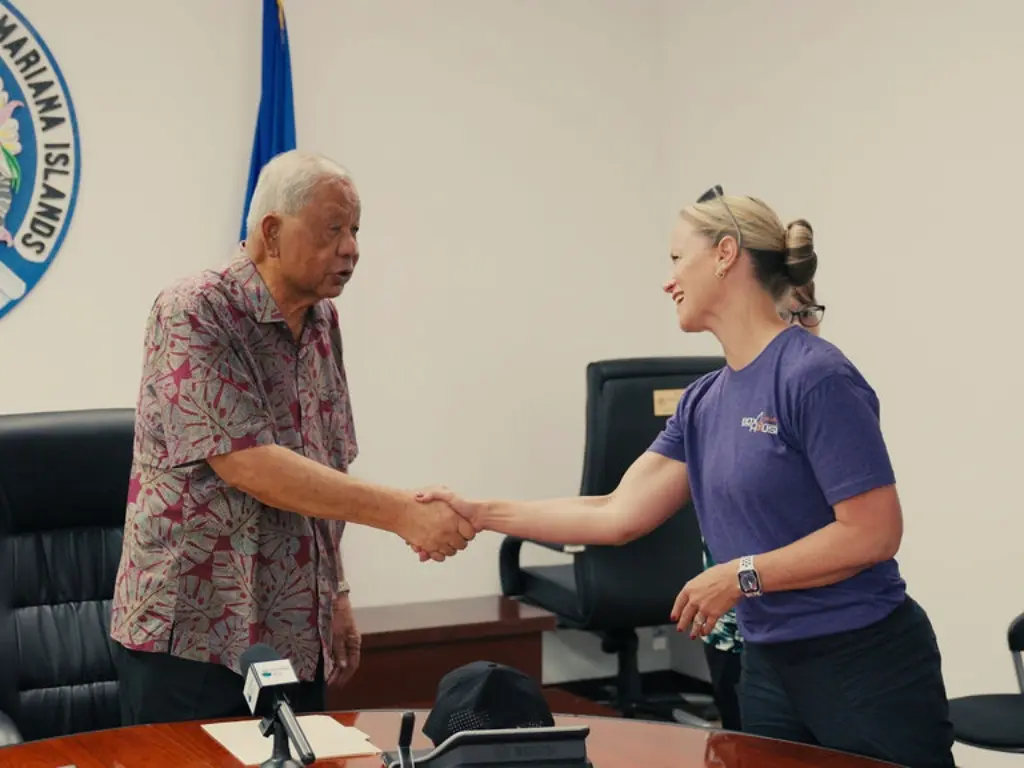
Proof: Saipan
In 2026, ReadyPod deployed 10 homes to families in Saipan displaced by Super Typhoon Sinlaku. It was ReadyPod's inaugural deployment and the clearest example of what the model is for: homes that already existed, placed with families who needed them, without waiting on a factory.
Built for the conditions after the storm
Steel-framed construction, built by BoxHouse
Built to withstand 150+ mph winds
Deployable with or without a permanent foundation
Delivered fully finished, ready to occupy
Scalable capacity as the response grows or winds down
Deployment and retrieval handled by ReadyPod
Tell Us What You're Responding To
Where, how many, and how fast. We'll tell you what's ready to move.
